Rarotonga hits different when you step off the plane from Auckland. One minute you’re pulling on a jacket against a crisp New Zealand winter morning, the next you’re standing in warm lagoon water with palm trees overhead.
There’s genuinely no bad time to visit this little volcanic island in the Cook Islands. Temperatures stay balmy year-round. But timing still matters — especially if you’re flying from New Zealand and want to balance sunshine, crowds, costs and the things you actually want to do.
Whether you’re chasing the driest weather for snorkelling, hoping to spot humpback whales, or looking for the best value, this guide breaks it down properly for Kiwi travellers.
Understanding Rarotonga’s Tropical Climate
Rarotonga sits just south of the equator in a classic tropical trade-wind climate. Expect warm days, pleasant evenings and that famous turquoise lagoon pretty much anytime you go.
The big distinction is between the dry season (roughly April to November) and the wetter months (November to March). Even in the wetter period, rain usually arrives as short, sharp tropical showers followed by sunshine. It rarely ruins a whole day.
While New Zealand winters can be chilly, Rarotonga offers consistent warmth. For a full breakdown of what to expect back home, see our guide to weather in New Zealand year round.
Rarotonga Season Comparison at a Glance
| Season | Weather Highlights | Crowds & Prices | Best For | Drawbacks | Recommendation for Kiwis |
|---|---|---|---|---|---|
| Peak (Jun–Aug) | Driest, clearest skies | Highest | Sunshine, whale watching | Expensive, busy | Great if you want guaranteed sun and can book early |
| Shoulder (Apr–May, Sep–Oct) | Very good balance | Moderate | Best value + weather | Slightly cooler in Apr/May | Strongly recommended for most Kiwis |
| Low (Nov–Mar) | Warmest water, more showers | Lowest | Budget, empty beaches, romance | Higher chance of rain | Excellent for couples & value hunters |
Month-by-Month Weather Breakdown
January–March Warmest water, higher humidity, more frequent (but short) showers. Cheapest period outside Christmas. Great for people who prioritise low crowds and don’t mind occasional rain.
April–May Rain easing off, still warm, noticeably fewer tourists than peak season. Excellent shoulder window.
June–August Driest and clearest months. Whale watching peaks. Coincides with New Zealand school holidays, so prices and crowds rise sharply.
September–October Many repeat visitors’ favourite time. Still dry, slightly warming, and much quieter than July–August. Outstanding balance of weather and value.
November–December Warming up again. November can be surprisingly pleasant. December brings festive energy but higher prices around Christmas/New Year.
Best Time to Visit Rarotonga by Your Priorities
For maximum sunshine and dry weather June to October. July and August are the most reliable for blue skies.
To avoid crowds and save money April–May or September–October are the sweet spot. November is also worth considering for good value.
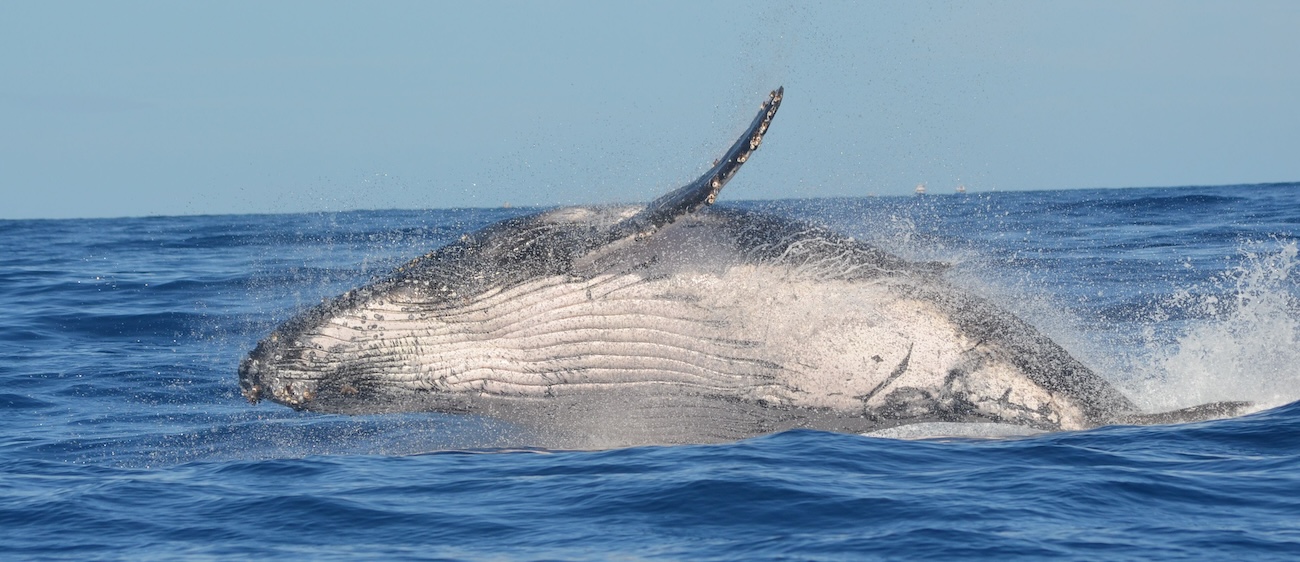
For whale watching July to October, with August–September usually the best window.
Best time to visit Rarotonga for families from New Zealand July–August or the September/October school holiday periods work well if you want reliable weather. Book early though — these periods fill fast and prices jump. Check the exact NZ school holidays 2026 dates when planning.
For honeymoons or couples November or early December often gives the best mix of warm weather, lower crowds and better rates.
Quick Decision Guide: Which Month Suits You Best?
- Want guaranteed sun + don’t mind paying more? → July or August
- Want great weather + good value + fewer people? → September or October
- Want lowest prices + don’t mind some rain? → February or March
- Want warm water + romantic vibe + fewer crowds? → November
- Travelling with school-age kids? → Align with NZ school holidays but book 4–6 months ahead
Key Events and Festivals Throughout the Year

- July–early August: Te Maeva Nui (big cultural celebration)
- August: Emo Aito traditional sports
- September: Round Rarotonga Road Race
- October: Gospel Day
- November: Vaka Eiva canoe festival + Te Mire Tiare flower festival
Practical Tips: Packing, Booking and Making the Most of the Weather
What to pack by season Dry months: Light layers for evenings + reef-safe sunscreen. Shoulder: Add a compact rain jacket. Wetter months: Quick-dry clothes and a proper rain jacket.
Booking from New Zealand Direct flights from Auckland take 3.5–4 hours. Prices rise sharply during NZ school holidays. Shoulder seasons (especially September–October and April–May) usually give the best combination of weather, availability and value. Many Kiwis find a week in Rarotonga very achievable when they travel outside peak school holiday windows. For broader household budgeting context, see our guide to the cost of living in New Zealand.
Real Kiwi Traveller Experiences
One Auckland family rates early November highly — warm days, only one proper rain event in ten days, and noticeably lower prices than July. Another couple who visited in late September called the weather “textbook” and loved having the beaches much quieter after the school holiday rush.
FAQ
Is there a bad time to visit Rarotonga?
No. The rain in the wetter months is usually brief, and many people prefer the quieter atmosphere and lower prices.
When is whale watching season in Rarotonga?
July to October, with the strongest sightings typically in August and September.
What’s the cheapest time to visit Rarotonga from New Zealand?
January to early March or the shoulder periods outside school holidays.
Can you snorkel in the rainy season?
Yes — visibility is often still good and the water is at its warmest.
How far in advance should Kiwis book for peak season?
At least 4–6 months ahead for July–August, especially if travelling with school-age children.