New Zealand’s weather is famously changeable — often described as “four seasons in one day.” Its maritime climate, dramatic mountains, and position in the Southern Hemisphere create huge regional differences, even over short distances.
Whether you’re planning a move, a working holiday, or a long-term stay, understanding the seasons and city variations helps you pack right, budget for heating or cooling, and choose the best time to arrive. This 2026 guide draws from NIWA data and long-term averages to give practical, up-to-date insights for newcomers and expats.
New Zealand’s Climate Overview
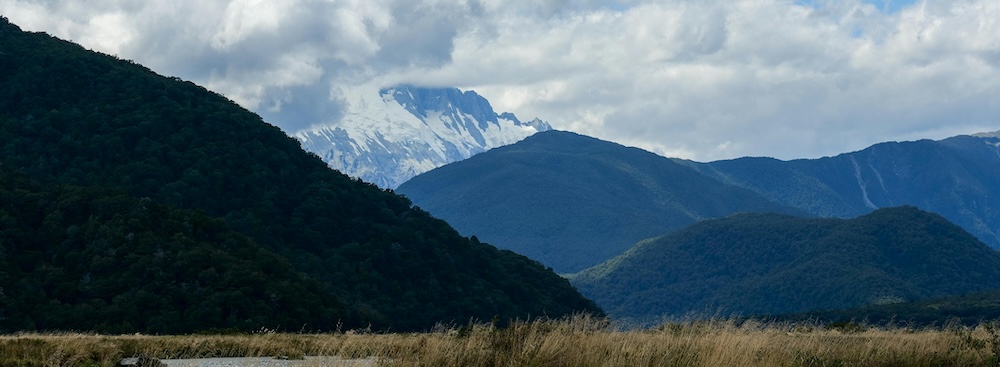
New Zealand sits in the mid-latitudes with a temperate maritime climate. The North Island is generally warmer and more humid, while the South Island is cooler and windier. The Southern Alps create a rain shadow — the west coast is wet and lush, the east drier and sunnier.
Average annual temperatures range from about 10°C in the deep south to 16°C in the far north. Rainfall is plentiful (600–1,500+ mm per year in most areas), and sunshine hours are generous (1,800–2,500 hours annually in many places).
The Four Seasons in New Zealand
Summer (December–February) Warmest months. Daytime highs 20–28°C (North Island) and 18–26°C (South Island). Perfect for beaches, hiking, and outdoor adventures. Expect longer days (up to 15+ hours of daylight) and occasional heatwaves above 30°C inland.
Autumn (March–May) Mild and settled. Temperatures 15–22°C. Beautiful autumn colours in the South Island. Fewer crowds and great shoulder-season rates.
Winter (June–August) Coolest period. Daytime highs 10–16°C (North) and 8–14°C (South). Frost and occasional snow in inland and high areas. Shortest days (around 9 hours). Ideal for skiing and hot pools.
Spring (September–November) Unpredictable but warming. Temperatures 14–20°C. Blooming landscapes, baby animals, and rising tourist numbers. Strong winds common.
Weather by Major Cities
Auckland (North Island) Mild subtropical influence.

- Summer: 23–26°C highs
- Winter: 14–16°C highs
- Annual rainfall: ~1,200 mm (spread evenly) Mildest major city — rarely below 5°C or above 28°C.
Wellington (Capital) Windy and exposed.
- Summer: 19–22°C
- Winter: 11–14°C
- Rainfall: ~1,300 mm Known for strong northerly and southerly gusts.
Christchurch (South Island) Drier and more continental.
- Summer: 20–24°C
- Winter: 10–13°C (frost common)
- Rainfall: ~600 mm (driest major city) Can see occasional snow in winter.
Queenstown (Central Otago) Alpine influence — dramatic swings.
- Summer: 20–24°C
- Winter: 5–10°C (snow likely)
- Rainfall: ~800 mm Coldest winters among popular destinations.
Other Regions
- Tauranga/Hamilton: Warmer and sunnier than Auckland.
- Dunedin: Cooler and windier, similar to Christchurch.
- Northland: Subtropical — warmest and most humid.
- West Coast (Hokitika): Extremely wet (3,000+ mm/year).
Rainfall, Sunshine & Wind Patterns
Rain falls year-round but is often heavier in winter. The west coast receives far more rain than the east. Wind is a defining feature — Wellington is one of the windiest cities in the world. Sunshine is abundant, especially in Nelson, Marlborough, and Central Otago.
What to Pack for New Zealand
Layering is key. Bring:
- Light merino or synthetic base layers
- Waterproof and windproof jacket
- Warm fleece or down jacket for evenings/winter
- Comfortable walking shoes and sandals
- Sunglasses and hat (UV is strong)
- Swimwear and light clothing for summer
For migrants: Invest in quality winter bedding and a good heater — many rentals have basic heating only.
Best Time to Visit or Move by Lifestyle
- Families & Outdoor Lovers: December–March (summer).
- Budget & Shoulder Season: March–May or September–November.
- Skiers & Winter Activities: June–September.
- Avoiding Crowds: Autumn or spring.
How Weather Affects Daily Life & Housing
New Zealand homes often lack central heating, so winter can feel colder than the thermometer suggests. Healthy Homes standards require minimum heating capability. In summer, coastal humidity and occasional high temperatures make good ventilation important. Rainfall patterns influence mould risks in older properties — always check during inspections.
See our Moving Into Your First NZ Apartment Checklist for Healthy Homes heating and ventilation tips.
FAQ
Is New Zealand always cold and rainy?
No. Summers are pleasantly warm in most places, and many areas enjoy long sunny periods. Rainfall is common but usually short.
What is the warmest city in New Zealand?
Auckland and Northland (especially Tauranga) have the mildest, warmest climate overall.
Does it snow in New Zealand?
Yes, regularly in the South Island mountains and occasionally in lowland areas during winter.
When is the best time to move to New Zealand?
Late spring (October–November) or early autumn (March–April) offer pleasant weather and easier settling.
How does the weather compare to the UK or Europe?
Generally milder winters than Northern Europe, but more changeable and windier than many places.
For official climate data, visit NIWA Climate Summaries.
Final Thoughts
New Zealand’s weather is diverse and rewarding. Embrace the variability — it’s part of what makes the country so beautiful. With the right clothing, realistic expectations, and proper home preparation, you’ll enjoy every season.
Planning your move? Combine this guide with our Cost of Living in New Zealand 2026 and Cost of Rent in New Zealand city breakdown to choose the right region for your lifestyle.