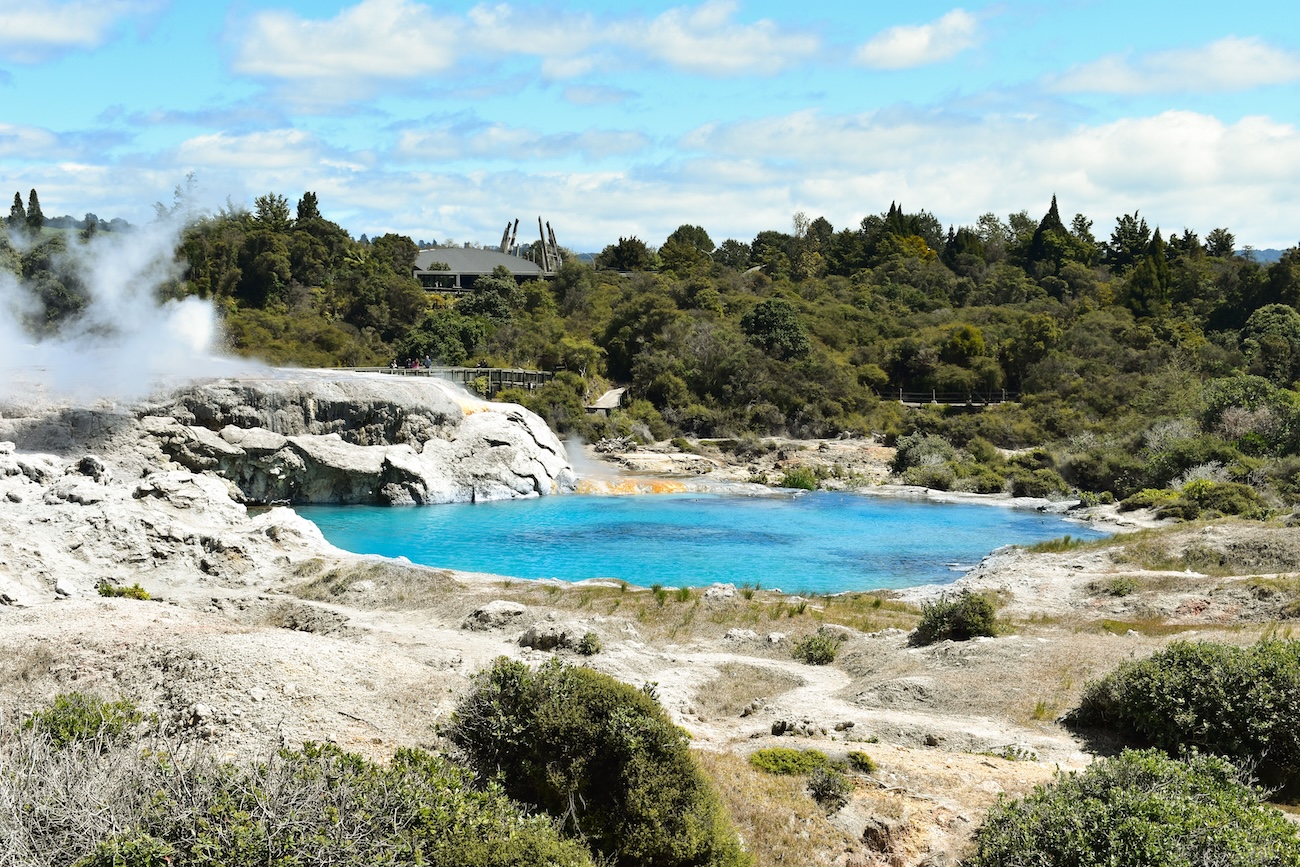
Places to Visit in Rotorua: Practical Local Guide to the Best Attractions in 2026
Rotorua grabs you the second you step out of the car. That distinctive sulphur smell hits first, then the sight of steam rising from the ground in the most unexpected places. It’s one of the most geothermally active spots on Earth, and it’s also home to rich Maori culture and some genuinely excellent outdoor experiences. If you’re trying to work out the best places to visit in Rotorua without wasting time or money on things that don’t deliver, this guide is for you. I’ve pulled together the standouts — the ones locals actually rate — along with practical details on timing, crowds, costs and how to make the most of your days here. Whether you have one full day or a relaxed long weekend, you’ll find clear recommendations and realistic itineraries below. Why Rotorua Deserves a Spot on Your New Zealand Itinerary Rotorua sits in the heart of the North…

Best Free Things to Do in Auckland: 20+ Places You Can Visit Without Spending a Cent
Auckland doesn’t have to cost a fortune. In fact, some of the best experiences in the city are completely free. Whether you’re a local looking for budget-friendly weekends, a family trying to keep costs down during school holidays, or a visitor wanting to explore without breaking the bank, Auckland has plenty to offer. From volcanic peaks with sweeping views to beautiful beaches, lush parks, and cultural spots, here are some of the best free things to do in Auckland right now. Auckland’s weather in New Zealand year round makes it easy to enjoy outdoor activities most of the year Top Free Volcano Walks & Viewpoints Auckland is built on volcanoes, and many of the best viewpoints are free to access. Maungawhau / Mount Eden One of the most popular free spots in Auckland. The short walk to the summit gives you 360-degree views of the city, harbour, and surrounding volcanoes.…
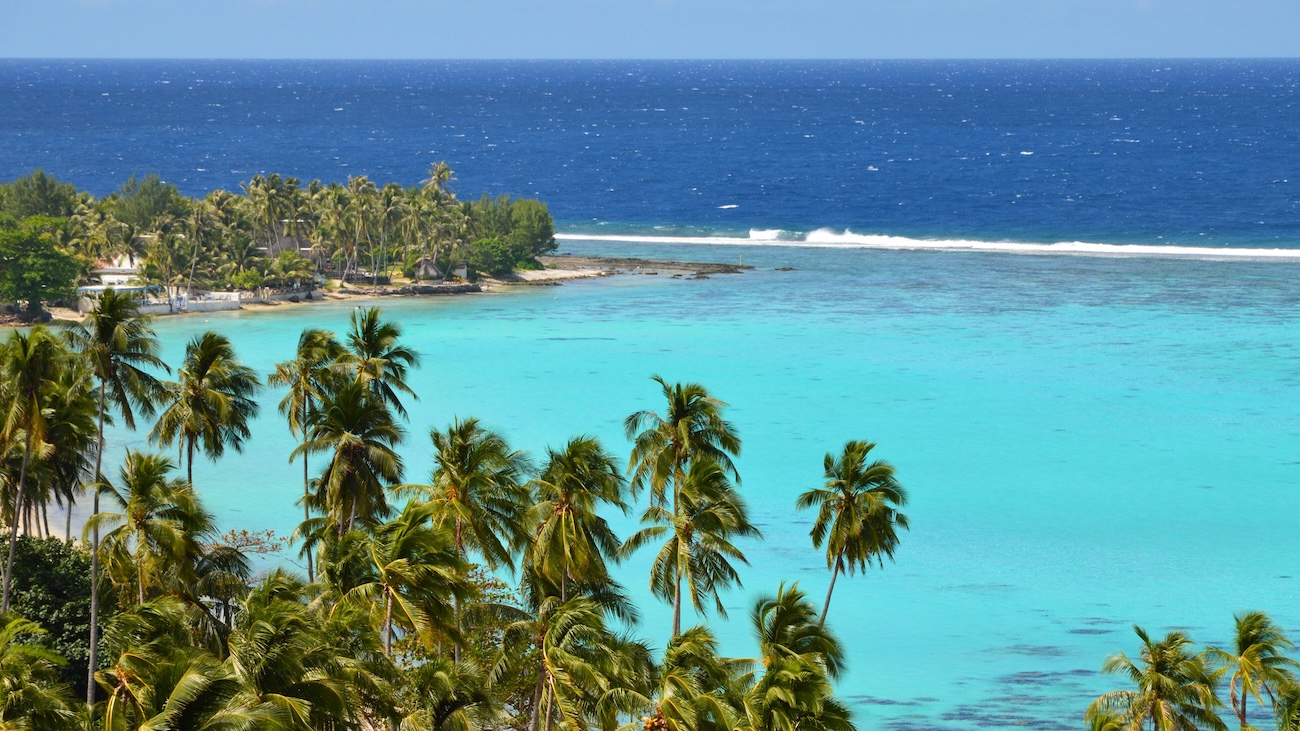
Best Time to Visit Rarotonga: A Kiwi’s Guide to Perfect Weather, Fewer Crowds & Unforgettable Experiences
Rarotonga hits different when you step off the plane from Auckland. One minute you’re pulling on a jacket against a crisp New Zealand winter morning, the next you’re standing in warm lagoon water with palm trees overhead. There’s genuinely no bad time to visit this little volcanic island in the Cook Islands. Temperatures stay balmy year-round. But timing still matters — especially if you’re flying from New Zealand and want to balance sunshine, crowds, costs and the things you actually want to do. Whether you’re chasing the driest weather for snorkelling, hoping to spot humpback whales, or looking for the best value, this guide breaks it down properly for Kiwi travellers. Understanding Rarotonga’s Tropical Climate Rarotonga sits just south of the equator in a classic tropical trade-wind climate. Expect warm days, pleasant evenings and that famous turquoise lagoon pretty much anytime you go. The big distinction is between the dry…

School Costs New Zealand 2026: Uniforms, Stationery & Real Activity Budgets
If you have kids at school in New Zealand, you already know the uniform and stationery lists arrive with a sting. What many parents don’t realise until they add everything up is how much the “extras” — camps, sports, music, devices, and school donations — can push the total well beyond the obvious items. This guide gives you current 2026 figures and practical ways to manage the full picture without cutting corners on what your child needs. What State Schools Can Actually Charge in 2026 State and state-integrated schools cannot charge compulsory tuition fees for New Zealand citizens and permanent residents. However, they can ask for voluntary donations and charge for certain goods and services. Common charges you’ll see include: The Ministry of Education sets clear rules on what is voluntary and what can be required. Always check your school’s fees and donations policy at the start of the year.…

Father’s Day NZ 2026: Date, History, Gift Ideas & Ways to Celebrate Dad
As the first hints of spring warm the air across Aotearoa, families gear up for one of the most heartfelt days on the calendar – Father’s Day NZ. Whether you’re hunting for the perfect gift, planning a special outing, or simply wanting to show your old man how much he means to you, this guide has you covered. Father’s Day isn’t just about socks and barbecues (though those have their place in every Kiwi household). It’s a chance to pause and appreciate the quiet strength, dodgy dad jokes, endless support, and the unique role Kiwi fathers play in our lives. With spring rugby season starting and gardens blooming, 2026 offers perfect conditions for meaningful celebrations. When is Father’s Day in New Zealand in 2026? Mark your calendars: Father’s Day 2026 falls on Sunday, 6 September. This follows New Zealand’s long-standing tradition of celebrating on the first Sunday of September. It’s…

NZ School Holidays 2026: Complete Term Dates & Family Planning Guide
Planning around NZ school holidays 2026 is essential for Kiwi families, expats, and anyone with school-aged children. Whether you need to book family trips, arrange childcare, or simply make the most of the breaks, having accurate dates makes life much easier. New Zealand schools operate on a four-term system with breaks of about two weeks between most terms, plus a long summer holiday at the end of the year. This comprehensive guide includes official dates, public holidays, regional notes, and practical tips. NZ School Terms 2026 Overview The 2026 school year follows the standard four-term structure set by the Ministry of Education. Most state and state-integrated schools observe similar dates, though some private or special character schools may vary slightly. Term lengths typically range from 9 to 11 weeks, with holiday periods providing welcome breaks for students and families. Detailed Term Dates & Holidays for 2026 Term 1 Term 1…

Grocery Prices in New Zealand 2026: What You’ll Really Pay at the Supermarket
Walking through the aisles of your local supermarket in 2026, it’s hard not to notice the subtle shifts in your weekly grocery bill. Grocery prices in New Zealand continue to be a major talking point for families, expats, and anyone trying to stretch their budget. While food inflation has eased from the double-digit peaks of previous years, many Kiwis still feel the pressure at checkout. If you’ve recently moved to New Zealand or you’re simply looking for smarter ways to shop, this guide breaks down real 2026 prices, regional differences, supermarket comparisons, and proven strategies to keep costs down without sacrificing quality. Current State of Grocery Prices in New Zealand (2026 Update) As of mid-2026, grocery prices in New Zealand show a mixed picture. Annual food inflation has moderated significantly, sitting at 2.6% in April 2026 – the lowest level in over a year. This cooling comes after higher spikes…
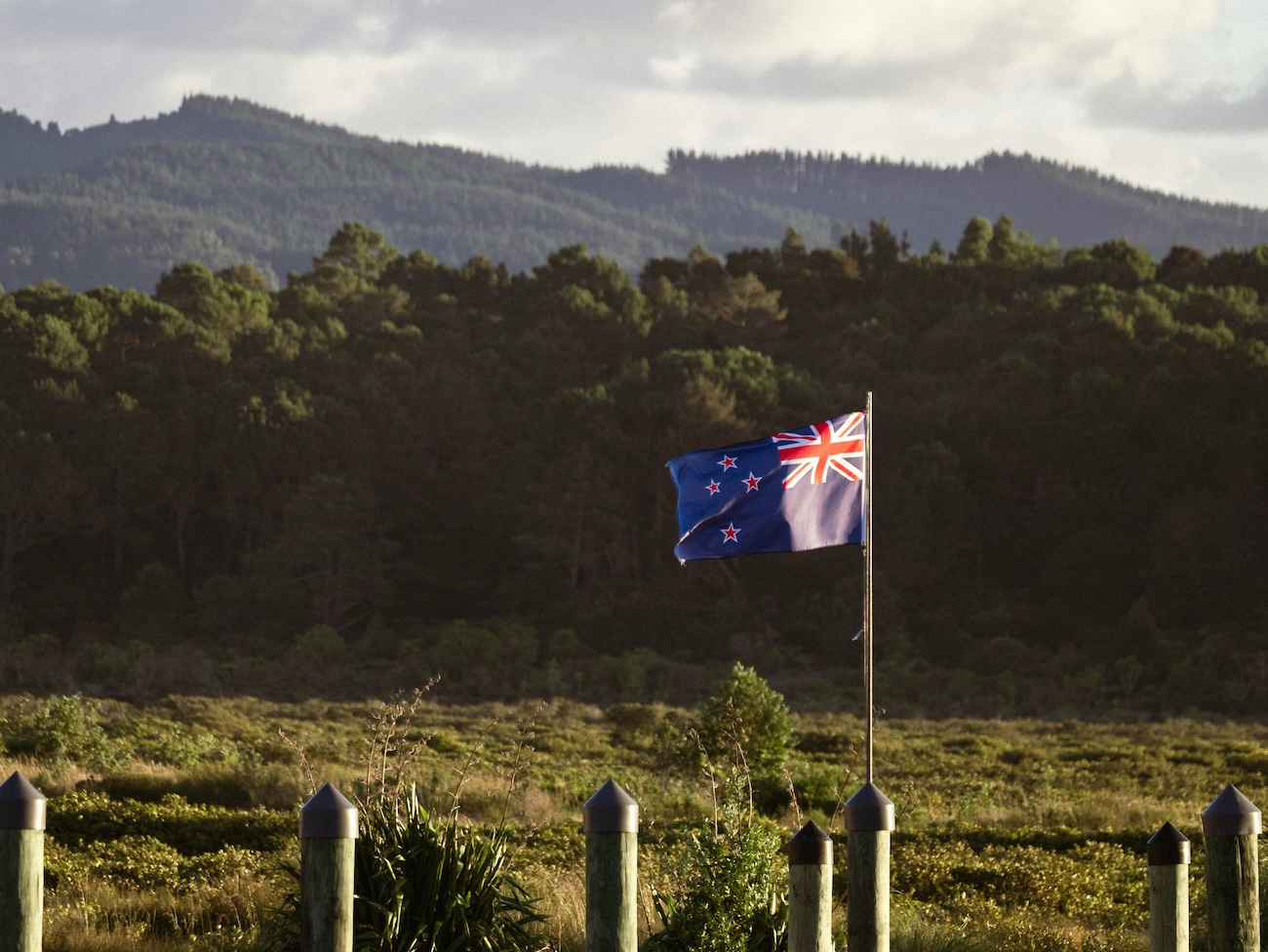
How to Get an IRD Number in New Zealand in 2026: Complete Guide for New Migrants & Arrivals
You’ve just landed in Auckland after a long flight. Your bags are in a temporary Airbnb, and you’ve got a job offer starting next week. But when the HR person asks for your IRD number, your stomach drops. Without it, your wages get taxed at the highest emergency rate — sometimes over 45% — and opening a bank account or joining KiwiSaver becomes a real headache. This happens to thousands of new arrivals every year. In 2026, with record migration and updated Inland Revenue processes, getting your IRD number early is more important than ever. The good news? It’s free, mostly online, and you can often have it in just a few days if you follow the right steps. This guide brings together the latest official 2026 processes, real experiences from migrants on Reddit and Facebook groups, and practical tips tailored for work visa holders, Working Holiday makers, and skilled…

CV Format in New Zealand 2026 (With Examples & Template)
In New Zealand, your CV is often the first impression you make on a potential employer. A well-formatted, concise, and tailored CV significantly increases your chances of securing an interview in a competitive job market. Unlike in some countries where CVs can run many pages with photos and personal details, New Zealand employers prefer clean, professional documents that focus on relevance and achievements. In 2026, with ATS (Applicant Tracking Systems) widely used, formatting matters more than ever. This practical guide explains the standard New Zealand CV format, what to include and exclude, real examples, and a ready-to-adapt structure. CV vs Resume in New Zealand In New Zealand, the terms CV and resume are used interchangeably. Both refer to the same document — a concise summary of your skills and experience. A full academic CV (many pages) is only needed for research or university roles. For most private-sector and public-sector jobs,…
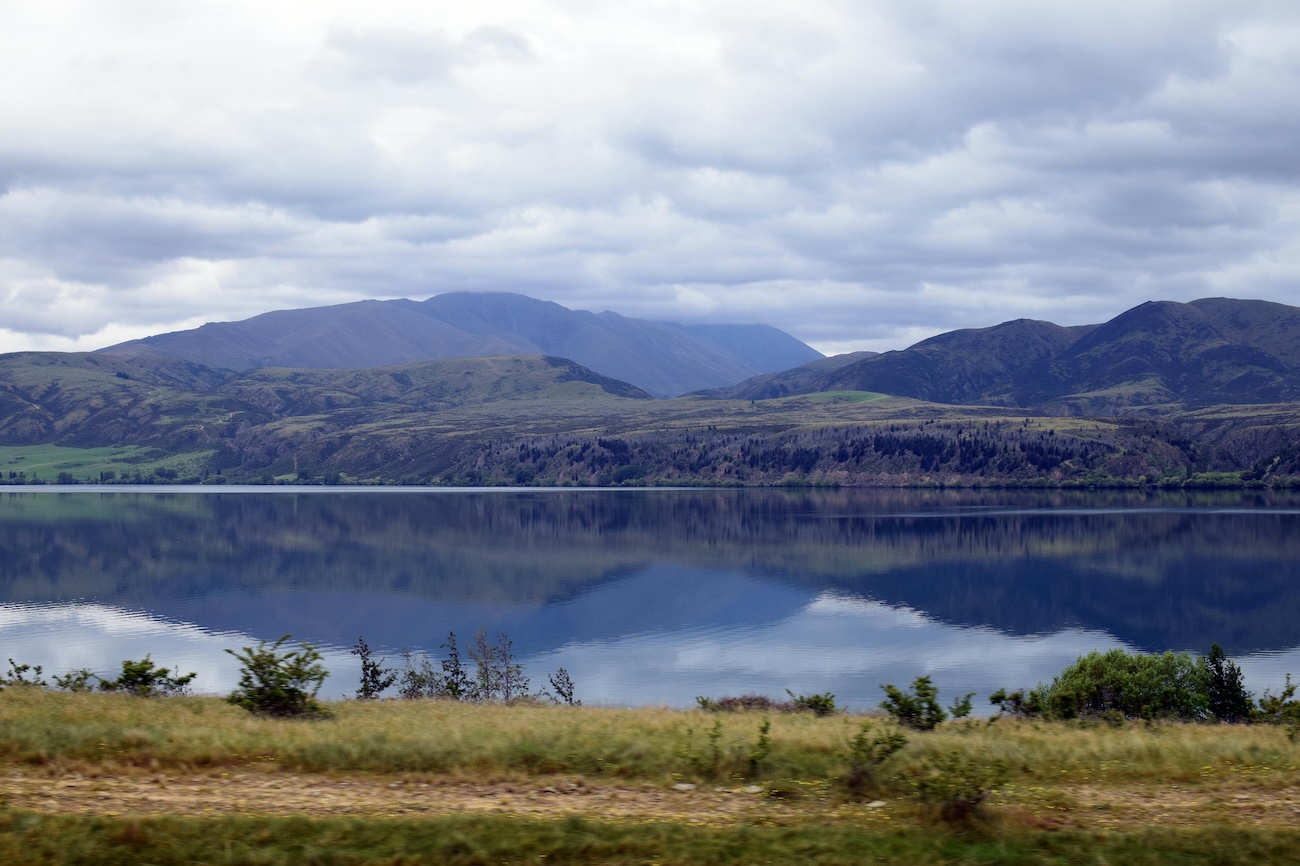
Weather in New Zealand 2026: What to Expect Year-Round
New Zealand’s weather is famously changeable — often described as “four seasons in one day.” Its maritime climate, dramatic mountains, and position in the Southern Hemisphere create huge regional differences, even over short distances. Whether you’re planning a move, a working holiday, or a long-term stay, understanding the seasons and city variations helps you pack right, budget for heating or cooling, and choose the best time to arrive. This 2026 guide draws from NIWA data and long-term averages to give practical, up-to-date insights for newcomers and expats. New Zealand’s Climate Overview New Zealand sits in the mid-latitudes with a temperate maritime climate. The North Island is generally warmer and more humid, while the South Island is cooler and windier. The Southern Alps create a rain shadow — the west coast is wet and lush, the east drier and sunnier. Average annual temperatures range from about 10°C in the deep south…