Rotorua grabs you the second you step out of the car. That distinctive sulphur smell hits first, then the sight of steam rising from the ground in the most unexpected places. It’s one of the most geothermally active spots on Earth, and it’s also home to rich Maori culture and some genuinely excellent outdoor experiences.
If you’re trying to work out the best places to visit in Rotorua without wasting time or money on things that don’t deliver, this guide is for you. I’ve pulled together the standouts — the ones locals actually rate — along with practical details on timing, crowds, costs and how to make the most of your days here.
Whether you have one full day or a relaxed long weekend, you’ll find clear recommendations and realistic itineraries below.
Why Rotorua Deserves a Spot on Your New Zealand Itinerary
Rotorua sits in the heart of the North Island’s volcanic zone. In a relatively compact area you can see erupting geysers, soak in natural hot pools, walk through living Maori villages, and disappear into towering redwood forests. It’s genuinely unique.
Most visitors come for the geothermal activity and Maori culture, and those two things still form the core of any good trip. But there’s more: excellent mountain biking, ziplining, white-water rafting on the Kaituna River, and plenty of lower-key walks and free spots if you want to balance the bigger ticket experiences.
Two to three nights gives you a comfortable pace. One day is possible if you’re efficient, but you’ll feel rushed.
Geothermal Wonders – The Heart of Rotorua
This is what puts Rotorua on the map. Here are the places worth your time.
Wai-O-Tapu Thermal Wonderland
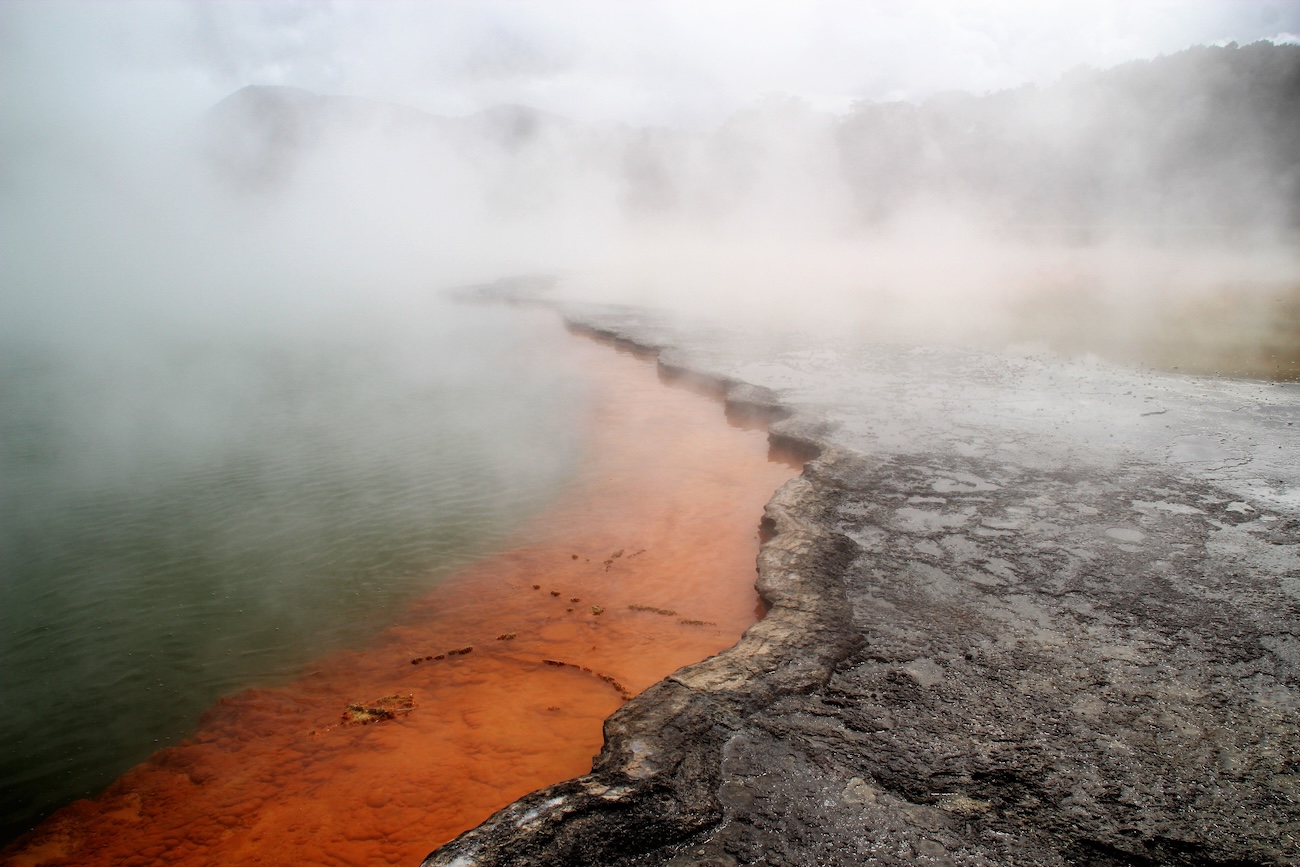
Often ranked as the top attraction, and for good reason. The colours are incredible — especially the Champagne Pool with its bright orange edges and the Artist’s Palette. Lady Knox Geyser erupts daily around 10:15am (they help it along with soap, but it’s still impressive).
Practical notes: Arrive early (gates open 8:30am) to beat the tour buses. Allow 2–2.5 hours. It’s well signposted and has good boardwalks. Great for photos and first-timers.
Te Puia (Whakarewarewa)
Home to the famous Pohutu Geyser, which can erupt up to 20 times a day and reach 30 metres. You also get to see traditional carving and weaving at the New Zealand Maori Arts and Crafts Institute, plus the chance to add a cultural performance and hangi meal.
Day experiences run from around 8:45am to 5pm. Evening Te Po experiences include dinner and a night walk to the geyser. Book ahead, especially for evenings and during peak season.
Waimangu Volcanic Valley
This one feels different — more raw and less manicured. It’s the youngest geothermal system in the world, created by the 1886 Mt Tarawera eruption. The walk is mostly downhill (about 2 hours one way) and ends at Lake Rotomahana with a boat option back.
Locals often rate this as their favourite for the scale and the sense of wilderness. Combine it with a shorter visit elsewhere if you want variety.
Hell’s Gate Geothermal Park & Mud Spa
New Zealand’s most active geothermal reserve. You’ll see the largest hot waterfall in the Southern Hemisphere and can book a mud bath experience (the only geothermal mud baths in the country). It’s a bit more compact and has a strong Maori therapeutic angle.
Kuirau Park (Free)
Right in the middle of town and completely free. Boardwalks take you past bubbling mud pools and steaming vents. It’s not as spectacular as the paid parks, but it’s convenient, especially if you have limited time or want to give kids (or your budget) a break. Go early morning or late afternoon for the best light and fewer people.
Maori Cultural Experiences That Actually Feel Meaningful
Rotorua has a long history of Maori tourism, and the quality varies. The stronger experiences tend to be those run by or in partnership with local iwi.
Te Puia’s evening Te Po experience stands out for combining a guided geothermal walk, cultural performance, and hangi dinner. Mitai Maori Village also gets consistently good feedback for its more intimate feel and riverside setting.
If you’re short on time or budget, even a daytime visit to Te Puia or Whakarewarewa Living Maori Village gives you a window into how geothermal activity has been used for cooking, bathing and daily life for generations.
Forests, Adventures & Outdoor Escapes
Whakarewarewa Forest (The Redwoods)
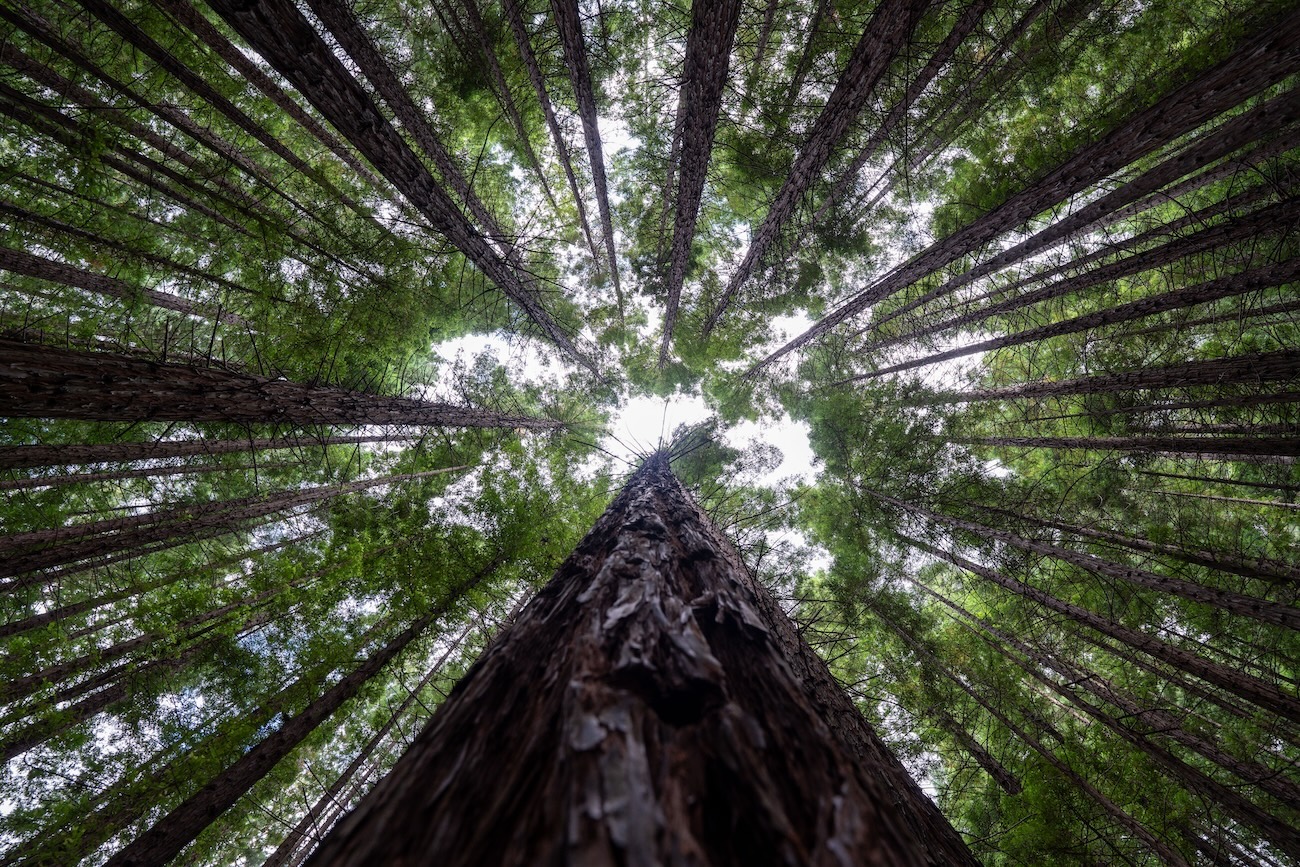
Just a few minutes from the centre, this forest offers something for almost everyone. The Redwoods Treewalk is a highlight — elevated walkways and platforms among the giant Californian redwoods. It’s magical, especially the Nightlights version if you’re here in the evening.
There are also excellent mountain bike trails (Rotorua is one of New Zealand’s top MTB destinations) and easy walking tracks. The forest provides a welcome green contrast to all the geothermal action.
Skyline Rotorua
Gondola up the hill for views, then the famous luge tracks on the way down. It’s fun, family-friendly, and the views over Lake Rotorua are excellent. You can combine it with a meal at the top.
Kaituna River Rafting
For adrenaline, the Kaituna is hard to beat — it includes the highest commercially rafted waterfall in the world (7 metres). Most trips take 2–3 hours including safety briefing. Good operators offer shuttles from town.
Hot Pools, Relaxation & Wellness
After a day of walking and geothermal sights, soaking is highly recommended.
Polynesian Spa is the most famous — multiple mineral pools overlooking the lake, with options for private or public bathing. It gets busy, so book a timeslot if possible.
Waikite Valley Thermal Pools offers a more rural setting with a large main pool fed by a powerful natural spring.
For something completely free and natural, Kerosene Creek (about 30 minutes south) is a popular local spot — a warm stream you can sit in. Go early to avoid crowds and take insect repellent.
Nature, Lakes & Hidden Gems
Lake Rotorua itself is beautiful for a stroll or kayak. Mokoia Island has cultural significance and boat tours. The Buried Village of Te Wairoa tells the story of the 1886 Tarawera eruption that destroyed a local village — worth an hour or two if you’re interested in the area’s volcanic history.
Government Gardens and the Blue Baths area near the lakefront make for a pleasant, low-key wander with historic buildings and manicured grounds.
Suggested Itineraries
One full day (tight but doable): Morning at Wai-O-Tapu (arrive 8:30–9am). Afternoon at Te Puia (geothermal + cultural). Evening hot pools or relaxed dinner in town. Add Kuirau Park if you have extra time.
Two to three days (recommended): Day 1: Geothermal focus (Wai-O-Tapu morning + Te Puia afternoon/evening cultural experience). Day 2: Nature and forest (Redwoods Treewalk + walk or bike in Whakarewarewa Forest) + hot pools in the afternoon. Day 3: Adventure (rafting or Skyline) or slower pace with lakeside time, Kuirau Park, and perhaps a short visit to Hell’s Gate or Waimangu if energy allows.
Practical Tips for Visiting Rotorua
Best time to visit: Rotorua is a year-round destination, but the driest and warmest weather runs from late spring (October) through early autumn (April). Shoulder months (March–May and September–November) often mean fewer crowds while still offering pleasant conditions. For a deeper look at weather patterns across New Zealand, see our guide to weather in New Zealand year round. Book popular evening cultural experiences and accommodation ahead during December–February school holidays.
Getting around: A car gives the most flexibility. Many attractions are a short drive from the centre. Good shuttle and small-group tour options exist if you prefer not to drive. Rotorua has an airport with flights from Auckland and Wellington. If you’re a tourist planning to drive, check our guide on whether tourists can drive in New Zealand.
Costs: Expect to pay for the main geothermal parks and cultural experiences. Many people combine one big paid geothermal day with free spots like Kuirau Park and forest walks. Hot pools range from budget-friendly public options to premium spa experiences. For broader context on budgeting your time in New Zealand, our cost of living in New Zealand guide is helpful.
What to know: The sulphur smell is real but you adapt quickly. Wear comfortable walking shoes with good grip (boardwalks can be slippery when wet). Weather can change fast — layers and a light rain jacket are smart. Respect the land: stay on marked paths in geothermal areas.
Sustainability note: Several experiences are iwi-owned or strongly support local Maori communities. Choosing those helps keep the benefits in the region.
FAQ
What are the must-see places to visit in Rotorua in one day?
Wai-O-Tapu in the morning and Te Puia in the afternoon/evening cover the two biggest draws. Add Kuirau Park if you have any spare time.
Are there good free or cheap places to visit in Rotorua?
Yes. Kuirau Park offers free geothermal viewing right in town, similar to these free things to do in Auckland. Whakarewarewa Forest has free walking tracks alongside the paid Treewalk. Kerosene Creek is a popular free natural hot spring (check conditions before going).
How long should I spend in Rotorua?
Two to three nights is ideal for a relaxed visit. One full day works if you’re efficient and prioritise.
Do I need to book attractions in advance?
Yes for evening cultural experiences (especially Te Puia Te Po) and popular activities like rafting or the Nightlights Treewalk, particularly in peak season.
What’s the best way to experience Maori culture in Rotorua?
Look for experiences that include both a geothermal element and a performance/dinner, such as Te Puia’s evening offering or Mitai Maori Village. These tend to feel more complete and respectful.